
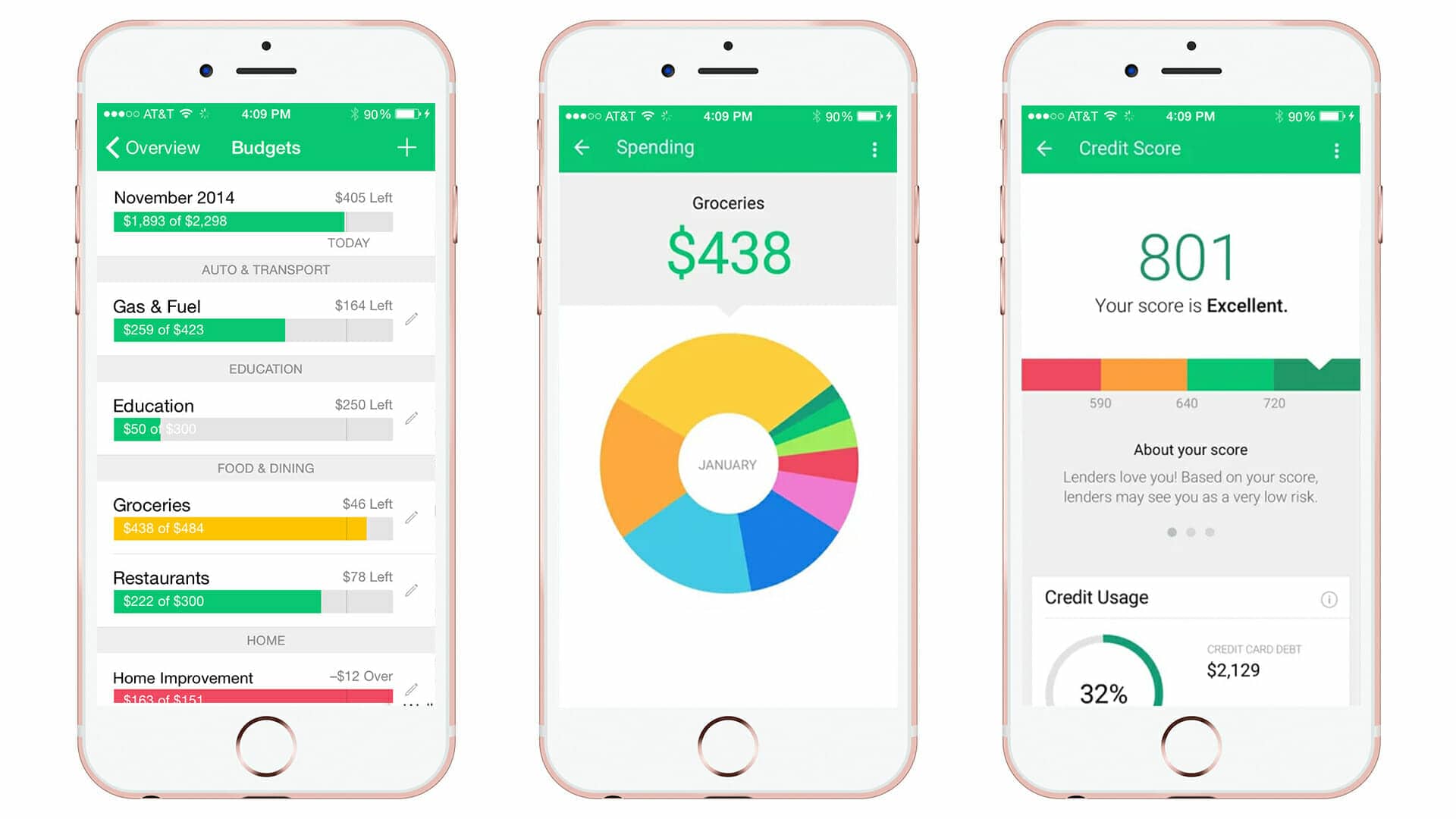
You get paid. You feel momentarily rich. Then your money disappears, quietly, efficiently, almost impressively fast.
Zero-based budgeting exists to stop that exact cycle. Every dollar gets a job before it leaves your account. No drifting. No “miscellaneous” black holes.
And while Quicken alternatives can handle general budgeting just fine, not all of them are built for this level of precision. Some get close. A few get it exactly right.
Let’s talk about the ones worth your time.
First, What Makes Zero-Based Budgeting Different?
Before diving into tools, a quick reality check.
Zero-based budgeting means:
- Income minus expenses equals zero
- Every dollar is assigned (spending, saving, investing)
- You plan before you spend, not after
It’s proactive, not reactive.
If that sounds intense… it is. But it’s also one of the most effective budgeting methods out there. The Consumer Financial Protection Bureau’s guide to budgeting reinforces this idea: intentional planning leads to better financial outcomes.
Now, onto the tools that actually support it.
1. YNAB (You Need A Budget), The Gold Standard
If zero-based budgeting had a mascot, this would be it.
YNAB is built entirely around the idea of assigning every dollar a job. The interface nudges you (sometimes aggressively) to plan ahead, adjust categories, and stay accountable.
What makes it stand out:
- Real-time budget adjustments
- Clear “give every dollar a job” framework
- Strong educational resources
It’s not the cheapest option. And yes, there’s a learning curve. But once it clicks, it really clicks.
This is the closest thing to a direct replacement if you’re leaving Quicken for stricter budgeting discipline.
2. EveryDollar, Simple, Direct, No Excuses
EveryDollar strips things down.
Built around zero-based budgeting principles popularized by Dave Ramsey, it focuses on clarity over complexity.
You:
- Create a monthly budget
- Assign every dollar
- Track spending against your plan
That’s it.
The free version is manual (you enter transactions yourself), which can be annoying, or intentional, depending on your mindset. The paid version adds bank syncing.
If you want structure without too many features getting in the way, this is a solid pick.
3. Goodbudget, Old-School Method, Digital Form
Goodbudget takes the classic envelope system and moves it online.
Instead of physical cash envelopes, you create digital categories (“envelopes”) and allocate money into each one.
Why it works for zero-based budgeting:
- Forces allocation before spending
- Encourages discipline
- Great for shared budgets (couples, families)
The downside? It doesn’t automatically sync with bank accounts in the same way some competitors do.
Still, if you like a hands-on approach, this one feels surprisingly natural.
4. Monarch Money, The Modern Upgrade
Monarch Money isn’t strictly zero-based, but it can be used that way.
Think of it as a more polished, flexible alternative among Quicken alternatives, with:
- Clean interface
- Customizable categories
- Goal tracking and forecasting
You can assign every dollar if you choose, but it doesn’t force the method on you like YNAB does.
That flexibility is either a strength… or a weakness.
If you want zero-based budgeting with room to breathe, Monarch is a strong contender.
5. PocketGuard, For the “Just Tell Me What I Can Spend” Crowd
PocketGuard is less strict, but still useful.
Its core feature shows how much “safe-to-spend” money you have after accounting for bills, goals, and necessities.
While it’s not a pure zero-based system, you can still:
- Categorize spending
- Set limits
- Track where your money goes
It’s a softer entry point.
If full zero-based budgeting feels overwhelming, this helps you build awareness first.
Choosing the Right Fit (Because They’re Not Equal)
Here’s the honest breakdown:
- Want full zero-based control? → YNAB
- Want simplicity and structure? → EveryDollar
- Prefer envelope-style budgeting? → Goodbudget
- Want flexibility with modern design? → Monarch Money
- Just starting out? → PocketGuard
Different tools. Same goal: intentional spending.
Why People Leave Quicken for These Alternatives
Quicken is powerful. No argument there.
But when it comes to zero-based budgeting, it can feel… indirect.
Many users switch because:
- They want stricter budgeting rules
- They prefer simpler interfaces
- They need a system that prioritizes planning over tracking
And that’s the key difference.
Quicken tracks your money. These tools tell it where to go.
A Quick Reality Check About Zero-Based Budgeting
It’s not magic.
It requires:
- Consistency
- Regular check-ins
- Honest adjustments
Miss a week? Things get messy. Ignore categories? The system breaks.
But stick with it, and the payoff is real, better control, clearer priorities, fewer financial surprises.
For deeper insight into why structured budgeting works, the National Endowment for Financial Education offers research-backed resources on financial behavior and planning.
Final Thought: Control Feels Different
There’s a moment, usually after your second or third month, when zero-based budgeting stops feeling restrictive.
And starts feeling… calm.
You know where your money is going. You know what’s covered. And you know what’s left.
That’s what the best Quicken alternatives offer. Not just tracking. Not just charts.
Control.
*This article is for informational purposes only and should not be taken as official legal advice*