
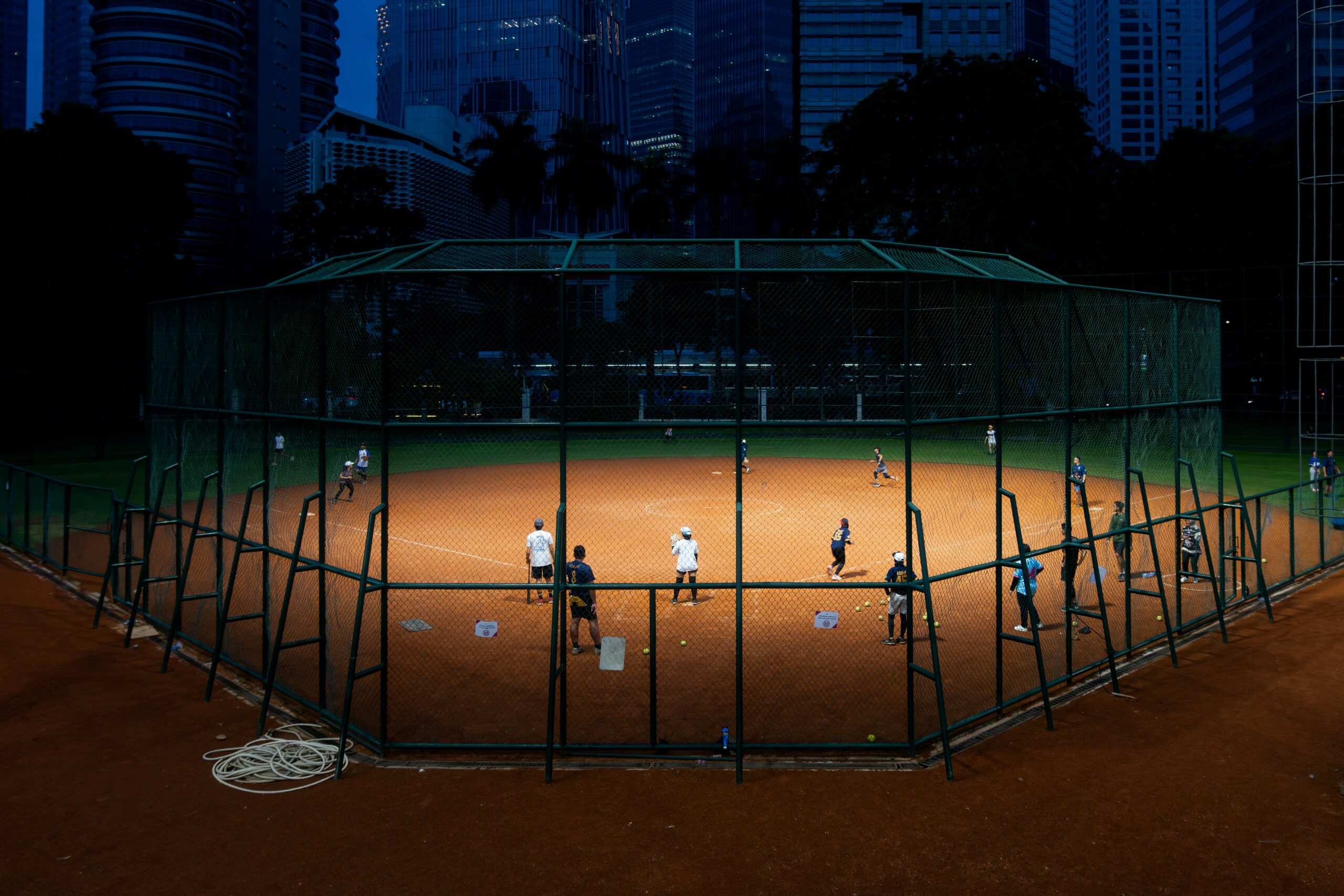
It starts with a simple question: Why does baseball feel… different?
Not better. Not worse. Just different.
You can watch a football game and feel adrenaline. Basketball? Constant motion. Soccer? Global intensity. But baseball? It lingers. It stretches. And it becomes part of your day without demanding all of it.
That’s the essence of the baseball lifestyle, and it stands apart in ways most new fans don’t fully notice at first.
Let’s break down what really separates it from other sports cultures.
The Pace: Slow Burn vs Instant Action
Here’s the most obvious difference, and the most misunderstood.
Baseball, especially in Major League Baseball, is built on patience.
- No game clock
- No constant movement
- Long pauses between plays
Compare that to:
- National Football League – explosive, time-limited
- National Basketball Association – fast, continuous scoring
- FIFA World Cup – structured halves, global urgency
Baseball doesn’t rush you. It invites you to settle in.
Short bursts of action. Long stretches of anticipation. Then suddenly, everything changes in one swing.
It’s less highlight-driven. More mood-driven.
The Schedule: Daily Life vs Weekly Events
Most sports fit neatly into your calendar.
Football? Once a week.
Basketball? A few times a week.
Soccer? Structured matchdays.
Baseball? It practically moves in with you.
MLB teams play almost every day for months. That changes the relationship entirely.
- Fans check scores like morning news
- Games become background noise during dinner
- Following a team feels like tracking a long story, not a single event
Other sports are appointments. The baseball lifestyle is a routine.
Fan Engagement: Intensity vs Consistency
Football fans go all-in for a few hours. High emotion. High stakes.
Basketball fans ride momentum, runs, comebacks, buzzer-beaters.
Baseball fans? They commit differently.
It’s quieter. More consistent. Less dramatic per game, but more meaningful over time.
Losing one baseball game? Not a crisis.
Losing five in a row? Now we’re talking.
The emotional investment builds slowly, like interest over time.
Game Day Culture: Event vs Atmosphere
Think about how different sports feel on game day.
Football:
- Tailgates
- Loud crowds
- Short, high-energy bursts
Basketball:
- Music, lights, constant motion
- Entertainment between plays
Baseball:
- Sunlight (or warm night air)
- Conversations that drift in and out
- Food that’s part of the experience
Baseball games aren’t always about watching every second.
They’re about being there.
That’s a subtle but important shift.
Stats Obsession: Deep Analytics vs Surface Numbers
Every sport has stats. Baseball takes it further.
Way further.
Fans don’t just track:
- Batting averages
- Home runs
They dive into:
- On-base percentages
- WAR (Wins Above Replacement)
- Advanced metrics that sound like code
This analytical depth is a defining trait of the baseball lifestyle.
In comparison:
- Football focuses more on outcomes and big plays
- Basketball balances stats with visual flow
- Soccer leans heavily on team dynamics and less granular numbers
Baseball invites you to study it, not just watch it.
Fashion & Identity: Subtle vs Loud
Every sport has a look.
Football fans go bold, jerseys, face paint, full commitment.
Basketball leans into streetwear culture, sneakers, statement pieces.
Baseball? It’s quieter.
- Caps you can wear anywhere
- Jerseys that blend into casual outfits
- Vintage gear that feels timeless
You don’t have to announce your fandom loudly. It shows up in small ways.
And somehow, that makes it more personal.
Seasonal Feel: A Calendar You Can Feel
Baseball doesn’t just exist in time, it marks it.
- Spring training: optimism, fresh starts
- Summer: daily games, long evenings
- Fall: playoffs, rising tension
- Winter: absence (and yes, you notice it)
Other sports have seasons too, but baseball stretches across the year in a way that feels almost… narrative.
It’s not just games. It’s chapters.
Global vs Cultural Identity
Soccer dominates globally. Basketball spans continents. Football owns American weekends.
Baseball sits in a unique space.
It’s deeply rooted in certain cultures, especially in the U.S., Japan, and parts of Latin America, but it carries a nostalgic, almost romantic identity.
It’s tied to:
- Tradition
- History
- Generational fandom
The baseball lifestyle often feels inherited, not just chosen.
Why These Differences Matter
If you’re new to sports, this might seem like nuance.
It’s not.
These differences shape:
- How you spend your time
- How you connect with others
- How you experience wins and losses
Choosing baseball isn’t just choosing a sport.
It’s choosing a pace. A rhythm. A way of engaging with something over time.
Final Thought: It’s Not Competing, It’s Complementing
Here’s the thing.
You don’t have to pick one lifestyle over another.
Many fans love multiple sports, but baseball fills a specific space that others don’t.
It’s there when you don’t want intensity.
It’s there when you want something steady.
And it’s there when you just want the game on, quietly unfolding in the background.
That’s the real difference.
The baseball lifestyle doesn’t demand your attention.
It earns it, slowly, consistently, and eventually… completely.
*This article is for informational purposes only and should not be taken as official legal advice*