
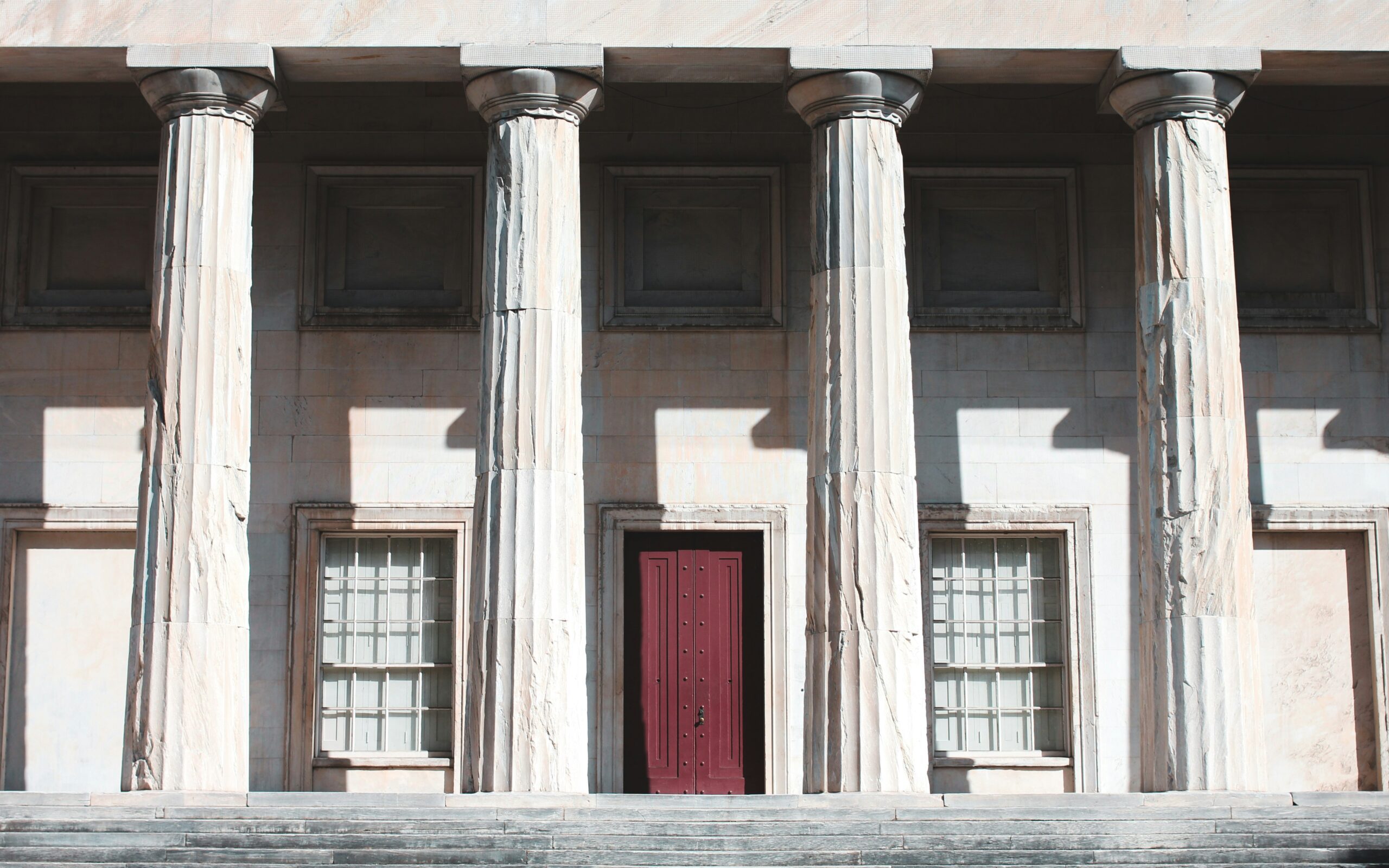
You’re standing outside a bank at 4:07 PM. The lights are on. Someone’s clearly inside. The door? Locked.
Welcome to the quiet frustration of not knowing US bank hours, a detail that somehow matters a lot the moment you need it.
Let’s fix that.
The “Typical” US Bank Hours (Yes, There’s a Pattern)
Most U.S. Bank branches follow a pretty standard weekly rhythm, but with just enough variation to trip you up if you assume too much.
Here’s the general schedule:
- Monday–Thursday: 8:30 AM – 4:00 PM
- Friday: 8:30 AM – 5:00 PM
- Saturday: 8:30 AM – 12:00 PM (limited hours)
- Sunday: Closed
Some locations operate closer to a 9:00 AM – 5:00 PM model, especially in urban areas or inside retail spaces.
So yes, there’s a pattern. But it’s not universal.
Why US Bank Hours Feel… Short
Let’s be honest: bank hours can feel oddly inconvenient. You work 9 to 5. They work 9 to 5. Who thought that was a good overlap?
Here’s why it still works this way:
- Security and staffing constraints
- Lower foot traffic outside peak hours
- Shift to digital banking (big one)
In fact, many customers now rely on mobile apps and online banking for everyday tasks, which reduces the need for extended branch hours.
Translation: the bank isn’t ignoring you, they’re just assuming you’ll use your phone.
Saturday Hours: The “Half-Day Compromise”
Saturday is where things get interesting.
Most branches open, but only briefly:
- Typically morning hours (around 8:30 AM – 12 PM or 1 PM)
This is your window for:
- Deposits
- Basic account help
- Quick in-person services
But don’t expect full staffing or complex services. Saturdays are designed for light traffic, quick visits, and minimal chaos.
Are US Bank Hours the Same Everywhere? (Not Even Close)
Here’s the catch: US bank hours vary by location. A lot.
Factors that change branch hours:
- City vs. suburban location
- Inside grocery stores or standalone branches
- Local demand and staffing
- Drive-thru vs. lobby schedules
Some branches:
- Open later (10 AM instead of 8:30 AM)
- Close earlier due to building restrictions
- Offer longer drive-thru hours than lobby access
Bottom line: the schedule above is a guideline, not a guarantee.
Holiday Closures: When the Doors Stay Shut
If you show up on a federal holiday, expect locked doors.
US Bank branches typically close on:
- New Year’s Day
- Martin Luther King Jr. Day
- Presidents Day
- Memorial Day
- Independence Day
- Labor Day
- Thanksgiving
- Christmas Day
But here’s the upside:
- ATMs: Available 24/7
- Online banking: Always on
- Mobile app: Your backup plan
So while the branch may be closed, your money isn’t.
Drive-Thru vs Lobby Hours: Not the Same Thing
This is where people get caught off guard.
- Lobby hours: Shorter, stricter
- Drive-thru hours: Often longer and more flexible
Some branches may:
- Close the lobby at 4 PM
- Keep drive-thru open until 5 PM
If you just need to deposit a check or grab cash, the drive-thru can save your trip.
How to Check Your Exact US Bank Hours (Don’t Guess)
Here’s the smarter move: always verify your local branch before heading out.
You can:
- Use the official branch locator
- Check Google Maps
- Open the US Bank mobile app
Because nothing’s worse than planning your day around a bank visit… and missing it by 10 minutes.
The Quiet Shift: Banking Without the Clock
There’s a reason this whole “bank hours” thing feels outdated.
Modern banking is slowly moving away from strict schedules:
- Mobile deposits
- Instant transfers
- 24/7 account access
The branch? It’s becoming more of a support hub for complex tasks, not your everyday stop.
Final Take: Work Around the Clock, Not Against It
If you remember just one thing about US bank hours, make it this:
- Weekdays: Go early (before 4 PM)
- Fridays: Slightly more breathing room
- Saturdays: Short window, plan ahead
- Sundays & holidays: Don’t bother
Or better yet, skip the trip entirely when you can.
Because in 2026, the smartest banking move isn’t timing your visit perfectly…
it’s avoiding the visit altogether.
*This article is for informational purposes only and should not be taken as official legal advice*