
The first alert hits your phone at 3:12 a.m.
Oil prices spike. Airstrikes reported. Shipping routes “disrupted.”
You blink. Refresh. Scroll.
Wait, again?
Welcome to Iran war news in 2026, where the headlines don’t just update… they escalate.
So, How Did We Get Here? (Spoiler: Fast.)
It didn’t simmer. It snapped.
In late February 2026, coordinated strikes by the United States and Israel hit targets across Iran, nuclear facilities, military bases, high-level leadership. Clean, strategic, calculated.
Also? Incredibly risky.
Iran’s response was immediate and loud: missiles, drones, and a message that translated roughly to, “This isn’t over. Not even close.”
And just like that, a “limited strike” became a regional conflict with global consequences.
Right Now: The War Doesn’t Pause (And Neither Do the Headlines)
Blink and you’ll miss something.
Airstrikes continue. Retaliations follow. Then counter-retaliations. Rinse. Repeat. Except… nothing about this is routine.
Cities like Isfahan have seen repeated attacks, industrial zones lit up, infrastructure rattled. Meanwhile, Iran’s strikes reach outward, targeting military installations and strategic assets across the region.
The current vibe? Controlled chaos.
- Air dominance battles overhead
- Missile systems constantly engaged
- Civilian areas increasingly affected (yes, that part is getting worse)
- Whispered talk of a ground invasion getting… less whispery
And here’s the uncomfortable truth: no one seems fully in control of the tempo anymore.
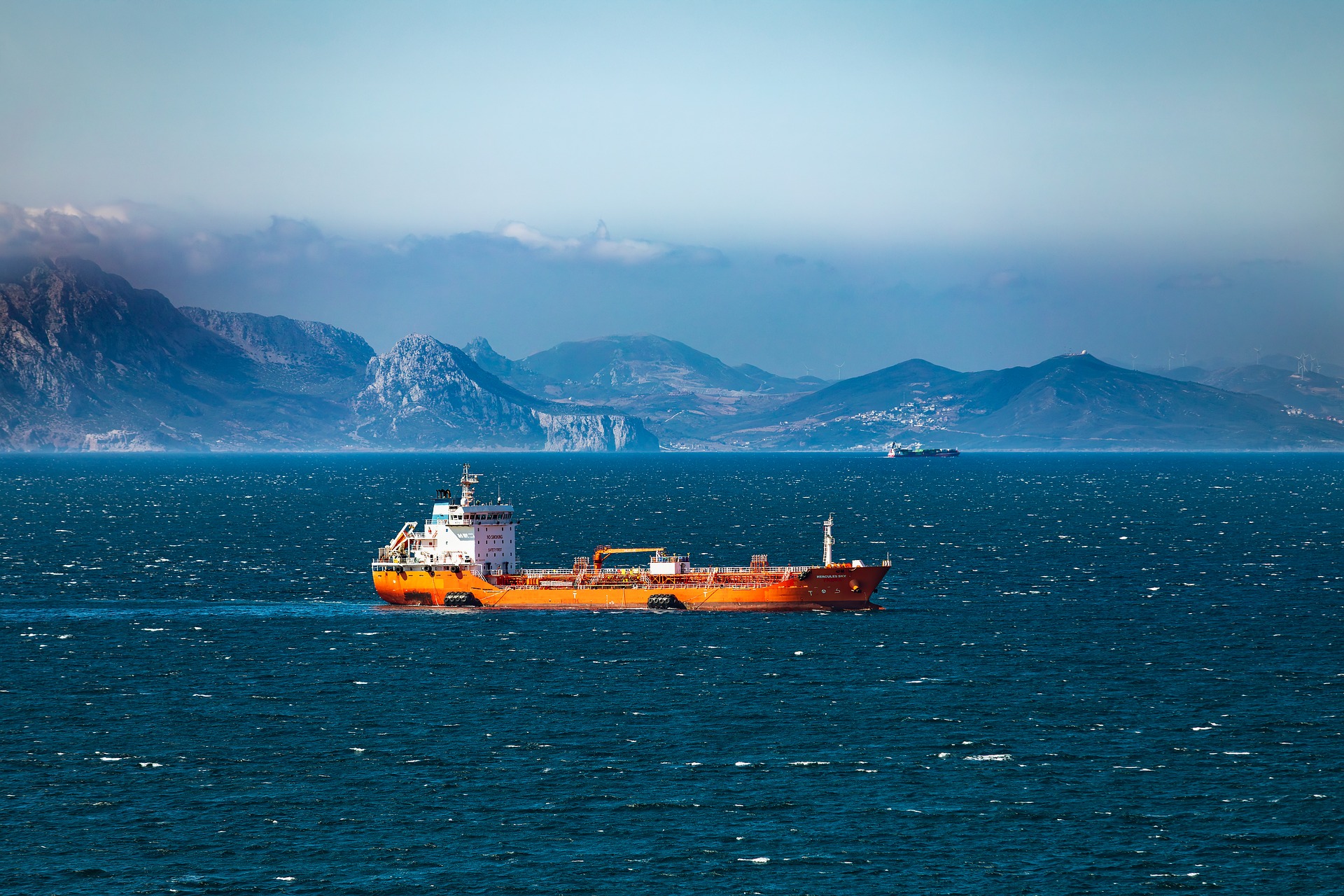
The Strait of Hormuz: Small Passage, Massive Panic
Let’s talk about the chokepoint that suddenly everyone Googled.
The Strait of Hormuz, a narrow stretch of water most people ignored two months ago, is now the center of global anxiety.
Because when Iran threatens it, the world listens.
Oil tankers hesitate. Insurance rates skyrocket. Supply chains wobble like a shopping cart with one bad wheel.
And the ripple effects?
- Oil prices climbing past comfort
- Inflation creeping back into the conversation
- Governments quietly (or loudly) panicking
It’s not just a military flashpoint. It’s an economic pressure cooker.
Not Just a War, A Web
Here’s where things get messy. (Messier.)
This isn’t a neat, two-sided conflict anymore. It’s a network.
Groups aligned with Iran, like Hezbollah and the Houthi movement, are stepping in, opening new fronts, applying pressure in different regions.
Think of it less like a boxing match… and more like a bar fight where people keep joining from the back door.
The result?
- Skirmishes expanding beyond borders
- Maritime attacks in nearby waters
- Regional tensions hitting levels we haven’t seen in years
Containment? That idea is slipping.
Diplomacy: Technically Alive, Emotionally Exhausted
On paper, talks exist.
In reality? It’s complicated.
The United States signals openness to negotiation while simultaneously ramping up military pressure. Iran rejects proposed terms, calling them unrealistic, then continues its own escalation.
It’s a strange dance:
- One step toward peace
- Two steps back into conflict
You can almost hear diplomats sighing through press releases.
The Invisible Battlefield (Hint: It’s Online)
Not all attacks come with explosions.
Behind the scenes, a quieter war is unfolding, cyber operations targeting infrastructure, communications, and financial systems. Think power grids flickering, banking systems glitching, networks slowing at the worst possible moment.
No dramatic footage. No viral clips.
But the impact? Potentially massive.
Because in 2026, crippling a country doesn’t always require bombs. Sometimes it just takes code.
The Global Fallout: You’re Already Feeling It
Even if you’re thousands of miles away, this war is closer than it feels.
Fuel prices inch up. Shipping delays ripple through supply chains. Markets react, quickly, nervously.
And suddenly:
- Flights cost more
- Goods take longer to arrive
- Economies wobble just enough to make policymakers sweat
The conflict isn’t contained to the Middle East. It’s embedded in the global system.
What Happens Next? (The Question Everyone’s Avoiding)
Here’s the honest answer: no one knows.
But there are a few likely paths:
Escalation
A broader war. More countries pulled in. Higher stakes.
Stalemate
Ongoing strikes. No clear winner. Constant tension.
Breakthrough
Diplomacy actually works. (Possible… but let’s not hold our breath.)
Everything hinges on a few fragile variables:
- Whether the Strait of Hormuz stabilizes
- Whether proxy groups escalate further
- Whether leaders choose restraint over reaction
Big “ifs.”
Final Thought: This Isn’t Just Another Headline
It’s tempting to treat Iran war news like background noise, another crisis in an already crowded news cycle.
But this one feels different.
Sharper. Faster. More interconnected.
A regional conflict with global consequences.
A strategic clash with economic shockwaves.
A situation where every move matters, and every misstep multiplies.
So the next time your phone lights up at 3:12 a.m.?
Yeah. You might want to check it.
*This article is for informational purposes only and should not be taken as official legal advice*